GuidesTool vs tool
Apollo Alternatives for Mid-Market Outbound Teams in 2026
Apollo's database quality degrades at scale. Here's how Clay, LinkedIn Sales Nav, Kaspr, and ZoomInfo stack up for mid-market outbound in 2026.

Some links on this page are affiliate links. If you buy through them we may earn a commission at no cost to you; it never changes a verdict. How we make money
The short answer
Clay is the most flexible Apollo alternative for enrichment-heavy workflows, LinkedIn Sales Nav owns intent-based prospecting, Kaspr punches above its weight for European mobile data, and ZoomInfo is only worth it if you're running enterprise plays with intent signals baked into the budget.
Mid-market outbound teams are quietly cycling off Apollo, not because the product is broken, but because the economics and data quality stop making sense right around the 3,000-5,000 contact-per-month mark. Bounce rates creep up. Mobile dials hit voicemail farms. The “unlimited exports” pitch loses its shine when 20% of your list is outdated. If you’re re-evaluating your prospecting stack heading into the back half of 2026, this breakdown covers the four alternatives worth actually pressure-testing.
Apollo Alternatives for Mid-Market Outbound (2026)
Clay
Enrichment-first prospecting with waterfall logic
Pricing: Launch: $167/mo, billed annually ($185 monthly) Pricing index, read Aug 12, 2026
- 75+ enrichment sources in a single waterfall
- Native AI research rows for personalization at scale
- Integrates directly with Smartlead, Outreach, and HubSpot
- Transparent credit-based pricing, you control spend
- Steeper learning curve than point-and-click prospecting tools
- Not a sequence sender, you still need a separate outreach tool
- Credit costs add up fast on large enrichment runs
LinkedIn Sales Navigator
First-party intent data from the world's largest B2B graph
Pricing: Core: $89.99/mo, billed annually ($119.99 monthly) Pricing index, read Aug 12, 2026
- Real-time account and contact activity signals
- TeamLink and org chart visibility unmatched elsewhere
- Native CRM sync to Salesforce and HubSpot
- Lead lists stay fresh as people change jobs
- No email or direct dial export natively, needs Kaspr or Clay to unlock
- Boolean search is clunky compared to Apollo's filters
- Per-seat pricing balloons quickly for larger SDR teams
Kaspr
European mobile data with GDPR compliance built in
Pricing: Free tier available; paid plans from ~$49/mo per user
- Best-in-class mobile number coverage for EMEA markets
- LinkedIn Chrome extension for instant enrichment
- GDPR-compliant data sourcing, audit trail included
- Affordable entry point for smaller outbound teams
- US database is noticeably thinner than Apollo's
- No built-in sequencing or outreach functionality
- Limited firmographic filtering vs. ZoomInfo or Apollo
ZoomInfo
Enterprise-grade database with buyer intent and org charts
Pricing: Starts ~$15,000/yr; most mid-market contracts run $20-40K
- Deepest org chart and buying committee data available
- Intent signals (Bombora integration) for timing-based outreach
- Comprehensive technographic and firmographic filtering
- Strong Salesforce bi-directional sync
- Annual contract pricing starts at ~$15K, rarely negotiable
- UI is dated and workflows feel slow vs. modern alternatives
- Overkill for teams that don't have a named-account motion
How to Choose the Right Apollo Alternative
The decision isn’t about which tool has the bigger database. It’s about identifying where in your outbound workflow the current stack is leaking.
If your issue is bounce rates and stale data, Apollo’s single-source model is the structural problem, and Clay’s waterfall enrichment is the most direct fix. Don’t bother bolting Neverbounce onto an Apollo export and calling it a solution; you’re paying twice to compensate for a data quality gap that will still hurt you on mobile. If your issue is reaching the right person at the right company at the right moment, Sales Navigator’s activity signals will outperform any static database, full stop.
Cost structure matters more than most teams admit upfront. Apollo’s “unlimited” positioning obscures real costs once you layer in verification tools like Neverbounce or Zerobounce to scrub exports. Clay is explicit about credit consumption, which makes budget forecasting straightforward. ZoomInfo locks you into a $15K+ annual contract before you’ve validated fit, a serious risk for any team mid-ICP pivot.
If your SDR team is primarily US-focused and volume is under 3K contacts/month, Apollo still makes sense, the ROI is clear and the sequencing is solid. Push past that threshold and data quality becomes a real deliverability liability.
If you’re running EMEA or have strong European ICP coverage, Kaspr plus Sales Navigator is a credible stack that most Apollo alternatives can’t match on mobile data quality.
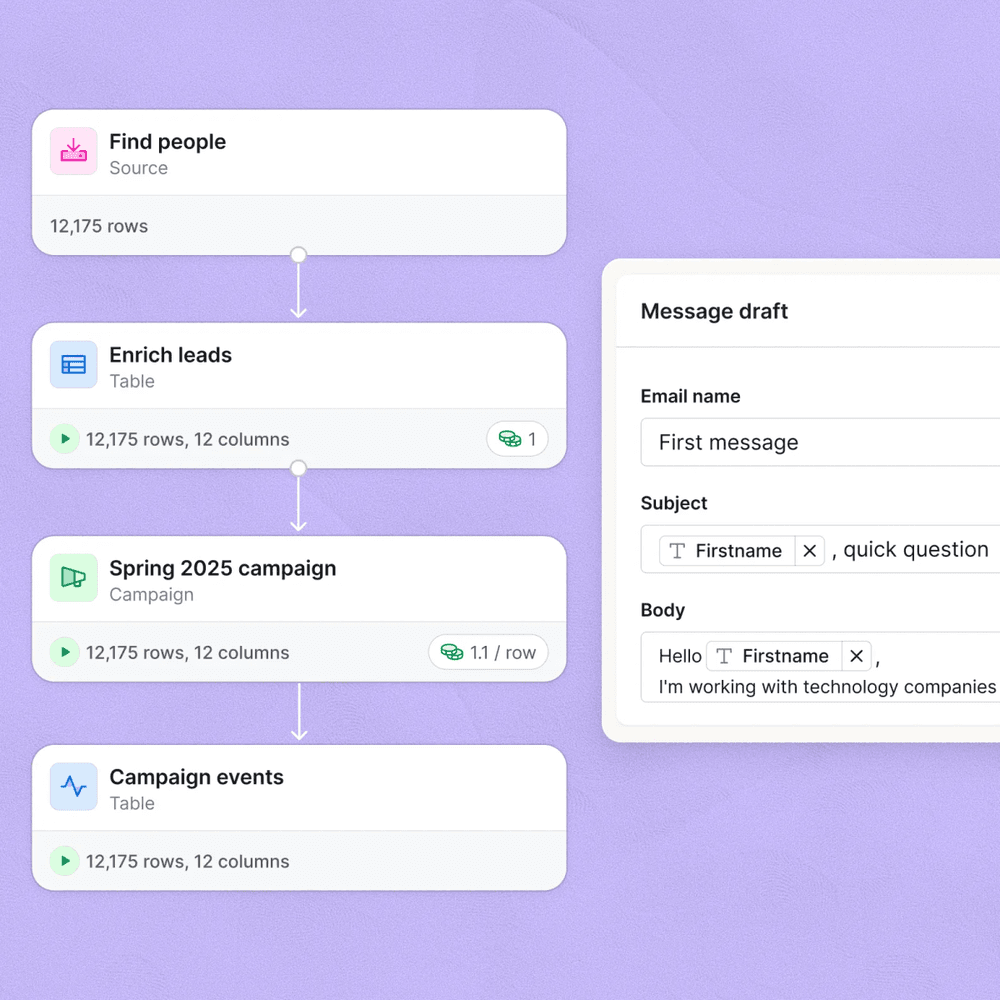
If you’re building a programmatic, enrichment-heavy outbound motion, think Clay tables pulling LinkedIn + Clearbit + custom webhooks, Clay is the only tool in this list architected for that workflow natively.
The Stack That Actually Wins
The most effective mid-market outbound stack right now isn’t “Apollo plus a sequencer.” It’s Sales Navigator for targeting and intent signals, Clay for enrichment and personalization, and Smartlead or Outreach for delivery. That’s three tools doing three distinct jobs, and none of them trying to be the other.
Kaspr slots in as a mobile enrichment layer for EMEA-heavy books of business. ZoomInfo only pencils out if your AEs are running a named-account motion where org chart depth and Bombora intent data genuinely influence deal timing. At $20-40K annually, it had better.
Teams over-invested in Apollo at scale aren’t stuck. They’re one workflow rebuild away from a materially better connected rate, and the rebuild is more straightforward than most ops leads expect once you’ve mapped where the data is actually going stale.
Frequently asked questions
What is the best Apollo alternative for outbound prospecting?
Clay is the strongest Apollo alternative for teams that want enrichment flexibility and multi-source waterfall logic. ZoomInfo wins on raw database size but costs significantly more.
Is Apollo good for mid-market outbound?
Apollo works well at lower volumes, but mid-market teams running 5,000+ contacts per month frequently report duplicate records, stale emails, and mobile number gaps that hurt deliverability and connect rates.
How does Clay compare to Apollo for lead enrichment?
Clay uses a waterfall enrichment model pulling from 75+ data sources, which means higher match rates than Apollo's single-database approach, especially for niche verticals or international markets.
Is ZoomInfo worth the price over Apollo?
For enterprise AEs working named accounts, ZoomInfo's org chart data and buyer intent signals justify the premium. For high-volume SDR sequencing, the cost-per-contact math rarely works out.
Does LinkedIn Sales Navigator replace Apollo?
Sales Nav replaces Apollo's prospecting layer but not its sequencing or enrichment. Most teams use it alongside a tool like Clay or Kaspr to export and enrich leads.