GuidesTool vs tool
MoltSets vs Apollo: Which Contact Data API Wins in 2026
MoltSets vs Apollo head-to-head: data quality, API limits, pricing, and which contact data tool RevOps teams should actually pay for in 2026.

The tools compared
Entry prices from the pricing index, read Aug 12, 2026
Some links on this page are affiliate links. If you buy through them we may earn a commission at no cost to you; it never changes a verdict. How we make money
The short answer
Apollo is the safer default for most outbound teams, but MoltSets wins on API flexibility and cost per record if your workflow is API-first and you can live with a smaller database.
The question I keep getting from RevOps practitioners in late 2026 is some version of: “We are already paying for Apollo, do we actually need it, or is there something cheaper and more API-friendly?” MoltSets keeps coming up as the challenger in that conversation. On paper the comparison looks straightforward. One tool is a full prospecting platform, the other is a leaner data API. In practice the decision hinges on whether your outbound motion lives inside a platform UI or inside a custom-built enrichment pipeline. Here is the honest breakdown.
What you are actually comparing
These two tools are not really competing for the same buyer. That is why the comparison gets murky. Apollo is a GTM platform that happens to have good data. MoltSets is a data API that happens to be cheaper than the platforms. Frame it that way and most teams can answer the question themselves.
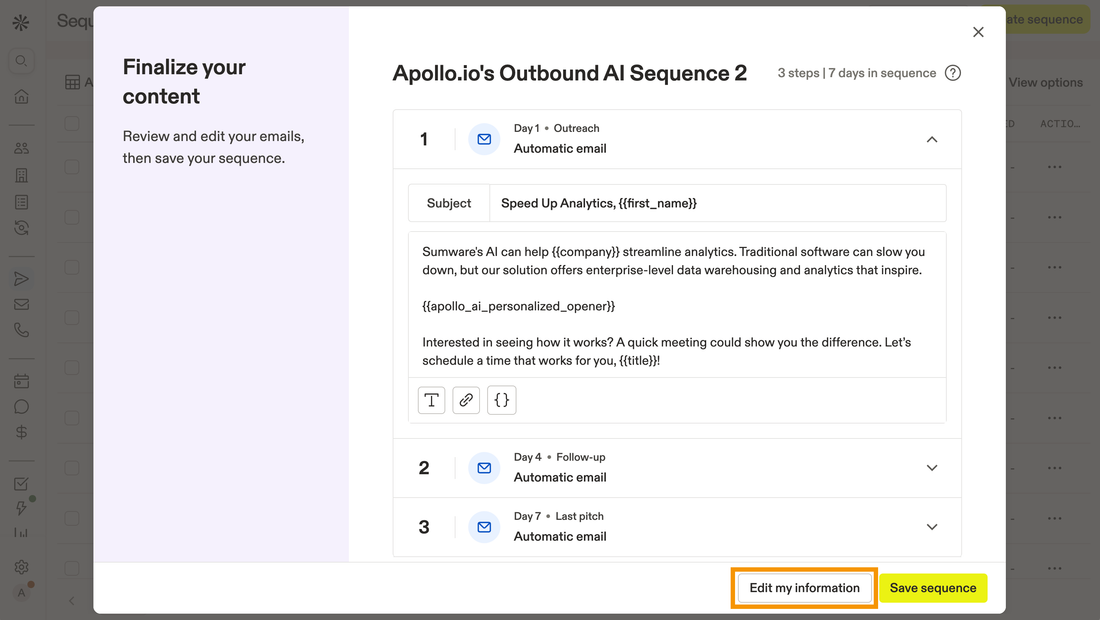
Apollo bundles contact search, sequencing, intent data (via Bombora integration), and a CRM-lite layer. If your SDRs live in Apollo’s UI, you are buying a workflow, not just data. The per-seat cost at the Professional tier runs north of $99/seat/month once you account for the exports and enrichment credits your team actually needs. For a five-rep outbound team, that is $500-plus per month before you even connect it to Salesforce or HubSpot.
MoltSets takes the opposite approach. You get an API, a bulk upload endpoint, and documentation. No UI to speak of, no native sequences. The pricing is usage-based, which is genuinely better if you are pulling records programmatically into Clay or an n8n enrichment workflow. The catch: “API-first” is only an advantage if your team has the technical capacity to wire it up and maintain it. Don’t assume that’s free.
MoltSets vs Apollo: Pick your fit
Choose Apollo if

- Your SDRs prospect and sequence inside a single platform UI
- You want intent data, job-change signals, and email verification bundled together
- Your team does not have engineering resources to maintain a custom enrichment pipeline
Choose MoltSets if

- You are pulling contact records via API into Clay, n8n, or a custom data warehouse
- Your primary concern is cost-per-record at volume, not a bundled sequence tool
- You already have sequencing handled by Smartlead, Instantly, or Lemlist
How to choose
The first thing I’d check is where your reps actually spend their prospecting time. If the answer is “in Apollo’s search and sequence UI,” then MoltSets does not replace Apollo. It just adds a cheaper data layer on top of a stack you are already paying for. That is rarely the right call unless your data volume is enormous and the per-record cost difference materially affects unit economics.
If your outbound motion is already API-driven, say you are using Clay for enrichment and Smartlead or Instantly for sequencing, then Apollo’s platform premium is pure overhead. In that architecture, MoltSets as your primary data source with Findymail or Lusha as a verification fallback is a defensible stack. The weak point is data coverage. Apollo’s 275M-record database is a meaningful moat, and MoltSets has not published a comparable figure. For niche verticals or international markets, I’d want to run a sample match test before committing. For more on the budget email-finding tier, see our Findymail 2026 review.
One thing worth flagging: teams that skip independent data validation typically hit deliverability problems within 60 to 90 days. Apollo’s built-in verification gives you one layer of protection without any additional tooling. With MoltSets, that verification step is on you. Whether you handle it via ZoomInfo spot-checks, a Bouncer pass, or waterfall enrichment through Clay, the operational overhead is real. For teams already thinking through GTM workflow automation beyond Zapier, that extra pipeline node is manageable. For everyone else, it is a hidden cost that shows up in your bounce rate before it shows up in your budget review.
My read is that most teams underestimate how much of Apollo’s value sits in the workflow, not the data. The sequences, the Chrome extension, the Salesforce sync, none of that comes with a MoltSets API key.
The bottom line
Apollo wins on breadth, validation depth, and zero-engineering-required setup. MoltSets wins on cost-per-record and API flexibility if you already run an automated enrichment pipeline. The teams that get burned are the ones who switch to MoltSets thinking it will replace Apollo, then discover they have traded a bundled workflow for a data endpoint with no sequences, no intent signals, and no UI. Know what you are buying before you cut the budget line.
Sources
Frequently asked questions
How does MoltSets compare to Apollo for email accuracy?
Apollo claims 91% email accuracy in its own documentation. MoltSets positions itself as a verification-first provider, but independent G2 reviews for MoltSets are sparse enough that I would not take accuracy claims at face value without running a sample.
Is MoltSets cheaper than Apollo?
MoltSets is priced significantly below Apollo on a per-record basis, particularly for API-only plans. Apollo's free tier is generous but its mid-tier plans add up fast once you factor in seat costs and export limits.
Can you use MoltSets with Clay or n8n?
MoltSets exposes a REST API that can connect to Clay via HTTP or to n8n via the HTTP Request node. There is no native Clay integration as of late 2026, so you will need to handle auth and field mapping manually.
Is MoltSets legit?
MoltSets is a legitimate contact data provider, not a scam. It is smaller and newer than Apollo, which means thinner third-party validation, but its API is functional and the pricing is real.
Who should use Apollo instead of MoltSets?
Teams that want a bundled prospecting platform with sequences, intent data, and a searchable UI should use Apollo. MoltSets is better suited for engineering-led or API-first enrichment workflows.